Offers
 Account
 Menu
Menu Favourite
 Basket



 Need Optical Advice?









 Updated on:
05 May, 2026
Updated on:
05 May, 2026



 Copy Link



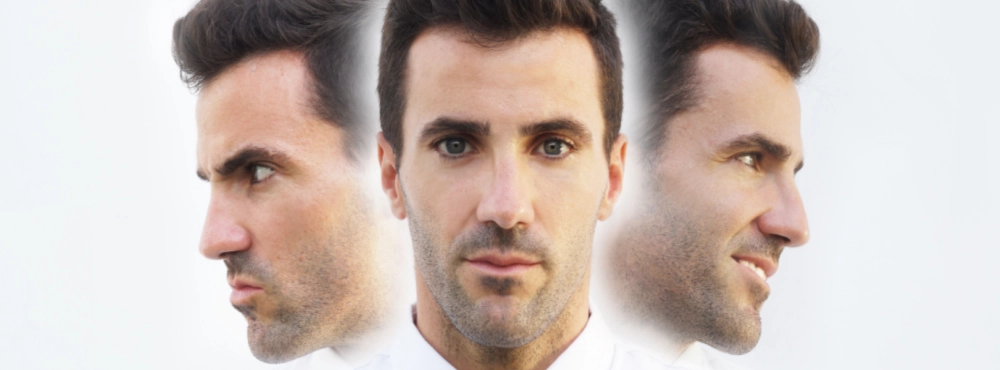
‘Bipolar eyes’ is a nonclinical term used to describe subtle changes in the appearance of the eyes that may be linked to individuals with bipolar disorder. This is a mental health condition in which people go through extreme mood changes. They either feel extremely happy, showing energetic or excited behaviour or feel extremely sad, showing signs of being drained out. While extreme happiness in clinical terms is called a ‘mania’ or ‘hypomania’, extreme sadness is called a ‘depressive’ episode. Some changes in the behaviour of eyes that may occur during a bipolar episode include pupil size, eye movements and eye contact.
- Can bipolar disorder affect the eyes?
- What do bipolar eyes look like during a mania episode?
- Bipolar eyes during a depressive episode
- Manic vs depressive bipolar eyes
- Causes of bipolar eyes
- How does bipolar disorder affect visual processing?
- Frequently asked questions
Can bipolar disorder affect the eyes?
Bipolar eyes is an informal term used by descriptors. It should not be used as a diagnostic sign of bipolar disorder or for it to identify a person having a bipolar episode based on their eye behaviour.
What do bipolar eyes look like during a mania episode?
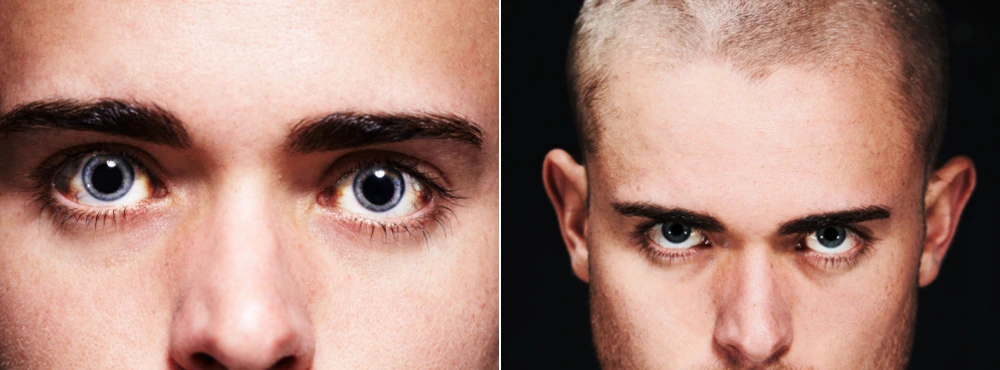
During a mania episode, the most common bipolar eyes symptoms observed may include:
- Alerted wide eyes
- Dilated pupil
- Sparkling eyes or an intense gaze
- Reduced blinking
- Uncontrollable eye movements
Bipolar eyes during a depressive episode
The most common bipolar eye symptoms observed during a depressive episode may include:
- Constricted or smaller pupil
- No sparkle in the eye
- Heavy eyelids
- Slow blinking
- Reduced eye contact
Manic vs depressive bipolar eyes
Causes of bipolar eyes
When a maniac episode happens, natural chemical messengers, also called ‘neurotransmitters’, flow throughout the body. These primarily include norepinephrine and dopamine. According to an article published in 2023, these chemicals play a pivotal role in determining mood, alertness and memory. An increased amount during mania episodes can make an individual more excited and energised, causing bright and shining eyes. However, the reduced levels of these chemicals during depressive episodes can make an individual look tired, with no sparkle in their eyes.
How does bipolar disorder affect visual processing?
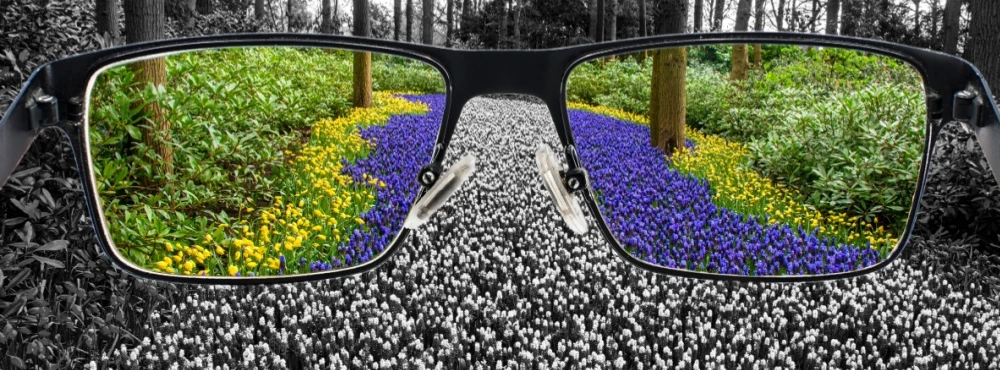
Visual processing simply refers to how your brain interprets and processes visual information from the eyes. Studies suggest people with bipolar disorder may have difficulty processing visual information, such as differentiating between colours, as certain areas of their brains may not be as active as those without this disorder.
Frequently asked questions
Are bipolar eyes real?
There is no strong scientific evidence to imply bipolar eyes as a formal clinical diagnosis. It is a term described by anecdotal reports where there may be changes in the eye appearance during a bipolar episode.
Can medication affect the eyes of people with bipolar disorder?
Medications to treat bipolar disorder, such as mood stabilisers or antidepressants, can change the appearance of the eyes and cause side effects, such as vision changes, dilated pupils and more.
Are bipolar eye changes permanent?
No, these changes are not permanent. They appear and disappear based on the temporary nature of a bipolar episode. Each individual has variable experiences and some individuals may not experience bipolar eyes.
Disclaimer: The advice in this article is for informational purposes only and does not replace medical care or an in-person check-up. Please check with an eyecare professional before purchasing any products or remedies. For information on our article review process, please refer to our Editorial Policy.